


The cryptocurrency market has never been a place for the faint-hearted. Every few years, a familiar chill creeps in: prices fall, hype fades, headlines turn gloomy and many newcomers quietly disappear. Once again, Bitcoin faithful prepare for a bitter winter, bracing for volatility, negative news cycles and a long stretch of uncertainty.
Yet, even in the coldest crypto winter, the most committed believers see something different. For them, downturns are not just painful corrections; they are cleansing cycles that remove speculation, expose weak projects, and reset the market for future growth. While casual speculators panic, long-term HODLers review their strategies, tighten their risk management and look for opportunities hidden beneath the fear.
In this article, we will explore why every Bitcoin winter feels so brutal, how dedicated investors prepare for it, and what practical steps anyone can take to navigate prolonged downturns. We will also examine the psychology of conviction, the role of regulation, the evolution of the broader digital asset ecosystem, and what past cycles can teach us about the future.
Understanding the Idea of “Bitcoin Winter”
A so-called Bitcoin winter is more than just a dip in price. It is a period when interest in cryptocurrencies drops sharply, trading volumes shrink and mainstream media insists that “Bitcoin is dead” yet again. Prices may remain depressed for months or even years, leaving impatient investors exhausted and disillusioned.
Why Does Bitcoin Winter Happen?
The Bitcoin market is highly cyclical. Historically, major bull runs have often been followed by deep corrections. Several factors contribute to these extended cold periods: First, speculative excess. During euphoric bull markets, new money pours into Bitcoin and other crypto assets, driving prices far beyond sustainable levels. When the excitement fades and reality returns, a sharp correction often follows. Over-leveraged traders are liquidated, and projects that relied only on hype struggle to survive.
Second, macro-economic conditions. Rising interest rates, tightening liquidity or global economic uncertainty can push investors away from risky assets. In such times, Bitcoin is often grouped together with tech stocks and other volatile investments, causing a broader sell-off. Third, regulatory fears. Whenever governments discuss tighter rules on digital currencies, markets tend to react nervously. Even rumors of bans, tax changes or stricter oversight can trigger panic selling and deepen the sense of winter.
How Long Can a Bitcoin Winter Last?
No one can predict the exact duration of a downturn, but previous cycles suggest that crypto winters can last a year or more. Prices may not necessarily fall every day; instead, they may move sideways, with occasional brief rallies that fizz out quickly. This slow grind is often what tests the patience of believers the most.
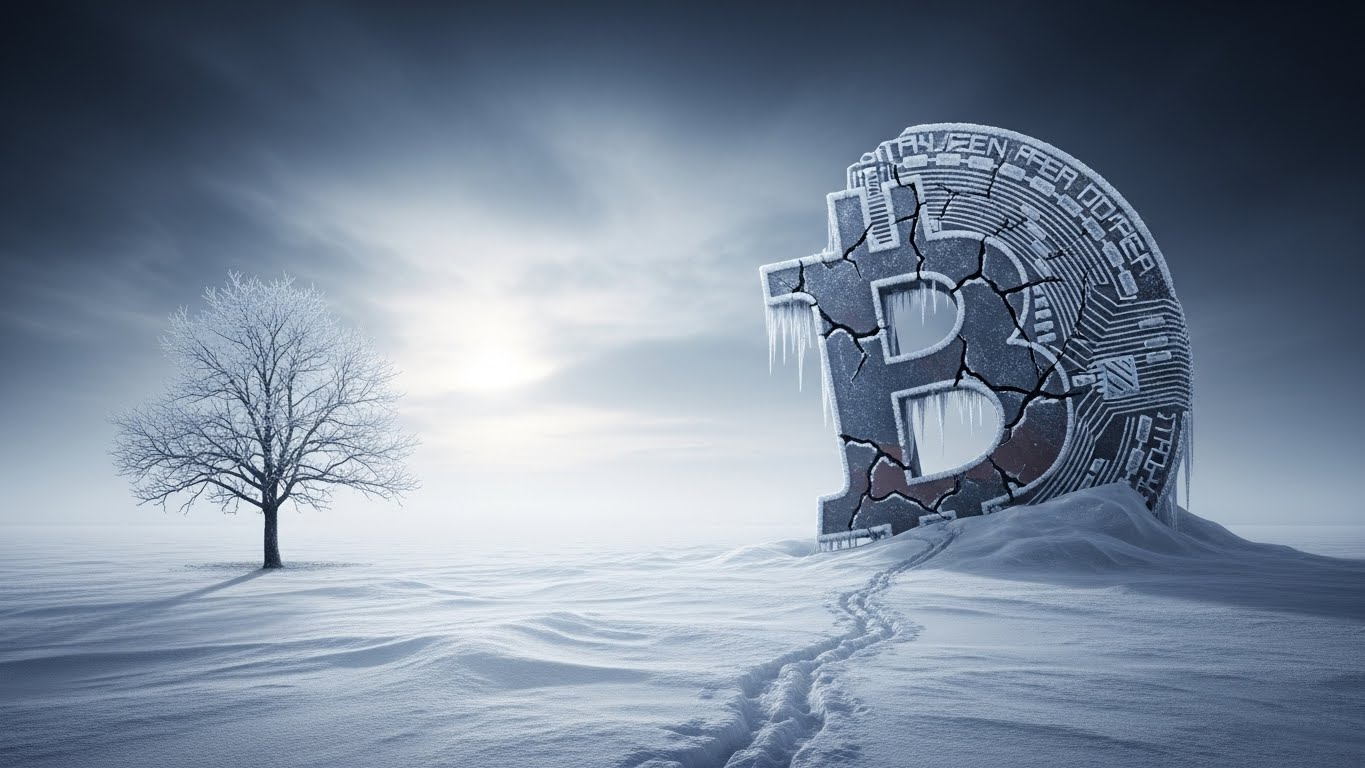
For the Bitcoin faithful, preparing for a bitter winter means accepting this reality. They understand that these cycles are part of the asset’s history and that survival depends less on predicting the bottom and more on managing risk, expectations and emotions.
The Mindset of the Bitcoin Faithful
The phrase “Bitcoin faithful” describes those who continue to hold, build and learn, even when the market feels hopeless. Their conviction doesn’t come from blind optimism; it is rooted in research, experience and a long-term view of blockchain technology.
Conviction vs. Blind Hope
There is a big difference between conviction and stubbornness. Conviction comes from understanding why Bitcoin was created and how it fits into the broader financial system. Many committed investors see Bitcoin as digital hard money, a scarce asset that offers an alternative to inflation-prone fiat currencies.
Blind hope, by contrast, is when someone refuses to sell simply because they are emotionally attached or afraid to admit mistakes. The Bitcoin faithful try to avoid this trap. They are willing to review their thesis, study market data and refine their strategies while still believing in the long-term potential of Bitcoin.
Lessons from Previous Crypto Winters
Veteran investors who survived earlier downturns often share similar lessons. They remember when Bitcoin crashed after previous all-time highs, when media declared it finished, and when many projects disappeared quietly. Yet, they also remember how, after each winter, innovation returned, adoption increased and new bull markets eventually emerged.
These experiences shape their mindset. When news turns dark and prices collapse, they remind themselves that market cycles are normal. Instead of chasing quick profits, they focus on staying solvent, educated and prepared for the next phase.
Practical Strategies to Prepare for a Bitter Winter
Preparation is not just about being emotionally ready; it requires a concrete plan. As Bitcoin faithful prepare for a bitter winter, they often rely on a mix of risk management, disciplined investing and continuous learning.
Building a Strong Financial Foundation
No investment strategy works well if your personal finances are fragile. Before thinking about accumulating more Bitcoin, many long-term investors prioritize stability in the rest of their life. This often means maintaining an emergency fund, paying down high-interest debt and ensuring that basic living expenses are secure. By doing this, they avoid being forced to sell Bitcoin at a loss during tough times. Instead, they can wait patiently for the market to recover, knowing their day-to-day needs are covered.
Investing Only What You Can Afford to Lose
One of the most repeated principles in the crypto community is simple: invest only what you can afford to lose. During bull markets, it is easy to forget this rule and overexpose yourself to volatile assets. However, as winter approaches, responsible investors reassess their exposure. They may reduce the percentage of their portfolio allocated to Bitcoin and other digital assets, holding more stable investments or cash. This way, even if Bitcoin drops further, their overall financial health remains intact.
Dollar-Cost Averaging Through the Cold

A popular strategy among Bitcoin believers is dollar-cost averaging (DCA). Instead of trying to time the perfect bottom, they invest a fixed amount on a regular schedule, regardless of short-term price swings. In a prolonged bear market, this approach allows them to accumulate more Bitcoin at lower average prices, while reducing the emotional stress of catching tops and bottoms. Over time, this consistent strategy can help smooth out volatility and reinforce discipline.
Surviving the Emotional Rollercoaster
The psychological pressure of a market downturn can be more challenging than the financial impact itself. Watching the value of a portfolio fall month after month can trigger anxiety, regret and fear. For the Bitcoin faithful, mental resilience is as important as any trading strategy.
Managing Fear, FOMO and Regret
During a crypto winter, three emotions dominate: fear of further losses, fear of missing out (FOMO) on temporary rallies, and regret over not selling earlier. These feelings can push investors into impulsive decisions, such as panic selling at the bottom or chasing short-lived pumps.
Experienced Bitcoin holders try to combat this by revisiting their long-term plan. They remind themselves why they invested, what time horizon they committed to, and under what conditions they would actually change their strategy. By having predefined rules, they reduce the influence of short-term emotion.
Information Diet: Choosing Your Sources Carefully
In downturns, news and social media can become especially toxic. Predictions of Bitcoin going to zero, endless debates about regulations and emotional posts from frustrated traders can cloud judgment. To maintain clarity, many long-term crypto investors curate their information sources. They prioritize thoughtful analysis, on-chain data, and reputable research over sensational headlines. Some even limit how often they check prices to avoid unnecessary stress.
Opportunities Hidden in the Crypto Winter
While most people focus on falling prices, Bitcoin faithful often look beyond the charts. They see winter as a unique chance to build skills, discover undervalued projects and position themselves for the next cycle.
Accumulation and Rebalancing
For those who still believe in the Bitcoin thesis, a bearish period can be a time of quiet accumulation. As prices drop, the same budget can buy more satoshis, potentially increasing future upside if the market recovers. At the same time, investors may rebalance their portfolios, trimming exposure to weak or speculative altcoins and concentrating more on assets with stronger fundamentals, like Bitcoin and a few proven blockchain platforms.
Learning, Building and Contributing
Another opportunity in winter is the chance to focus on learning. Instead of obsessing over charts, many Bitcoin enthusiasts use this time to study blockchain development, security best practices, or macroeconomics. Some contribute to open-source projects, join crypto communities, or even start building their own tools and services. This shift from pure speculation to active participation strengthens both the individual and the ecosystem. When the next bull run arrives, those who invested in knowledge and skills, rather than only chasing price, are often better positioned.
The Role of Regulation and Institutional Interest
Every Bitcoin winter unfolds against a backdrop of changing rules and institutional behaviors. Even as prices fall, behind the scenes, regulators and large financial players continue shaping the future of digital assets.
Regulation: Threat or Opportunity?
To some, regulation feels like a threat that could suffocate innovation. To others, clear and fair rules are necessary for mainstream adoption. In reality, the relationship is complicated. During cold market phases, governments often move more actively. They may introduce licensing regimes, tax guidelines or stricter anti-money laundering requirements. In the short term, these developments can trigger fear and sell-offs. In the long term, however, transparent regulation can provide certainty for institutional investors, paving the way for larger capital inflows when sentiment improves.
Institutional Investors in a Bear Market
Big financial institutions do not always behave like retail traders. While the public loses interest during a downturn, some funds, hedge managers and companies quietly explore Bitcoin custody, exchange-traded products and long-term exposure. Though not every announcement turns into meaningful action, the very fact that traditional finance continues to engage with Bitcoin during hard times is notable. It suggests that, beyond the noise of daily price movements, there remains a serious, structural interest in digital assets as a new asset class.
Technology Keeps Moving, Even in the Cold
One of the surprising aspects of every crypto winter is that the underlying technology does not stop evolving. Developers keep working, new protocols are launched and upgrades to existing networks continue.
Bitcoin’s Ongoing Development
Even when prices slump, the Bitcoin protocol continues to be maintained and improved. Developers work on scaling solutions, privacy enhancements and security features. Upgrades like SegWit, Taproot and other proposals show that Bitcoin is not a static system, but a living technology guided by a global, open-source community. For the Bitcoin faithful, these developments reinforce their belief. They see that the foundation they are betting on is still being strengthened, regardless of the market’s mood.
Growth of the Broader Crypto Ecosystem
Beyond Bitcoin, the wider blockchain ecosystem also evolves. Innovations in decentralized finance (DeFi), non-fungible tokens (NFTs), and layer-2 solutions continue, even when prices fall. Some experiments fail, but others quietly build the infrastructure that may power the next wave of adoption. In this sense, winter can be a time when serious builders stay, and short-term opportunists leave. What remains is a leaner, more focused industry.
Looking Ahead: After the Bitter Winter
No winter lasts forever. Eventually, markets stabilize, confidence returns and new narratives emerge. The Bitcoin faithful, having prepared for a bitter winter, aim to be ready when the first signs of spring appear.
What Recovery Might Look Like
Recovery does not always arrive with fireworks. It may begin with a period of quiet accumulation, slow price appreciation and gradual improvement in sentiment. Over time, good news stories—such as adoption by new businesses, technological breakthroughs or favorable regulations—start to outweigh the negative headlines. As more participants notice the change, bullish momentum builds. Those who stayed disciplined through the downturn may find themselves in a stronger position than before, with more experience, better strategies and potentially larger holdings.
The Importance of Staying Humble
Even after surviving a brutal winter, wise investors stay humble. They understand that Bitcoin’s volatility cuts both ways. The same market that crushed overconfidence on the way down can punish greed on the way up. For this reason, responsible crypto investors keep refining their risk management, stay diversified and avoid assuming that past performance guarantees future results. They celebrate recovery, but remember the lessons learned in the cold.
Conclusion
As Bitcoin faithful prepare for a bitter winter, they are, in reality, preparing for the full cycle—both the darkness and the eventual dawn. They accept that crypto winter is part of the journey, not a sign that the journey is over. By building a strong financial foundation, investing only what they can afford to lose, practicing dollar-cost averaging and maintaining emotional discipline, they give themselves the best chance of surviving and even benefiting from long downturns.
They also recognize that the true story of Bitcoin is not written only in price charts. It is written in code updates, regulatory developments, adoption trends and the tireless work of builders worldwide. When prices are low and the noise quiets down, it becomes easier to see what really matters.
For anyone watching the market with worry, the message is simple: winter is challenging, but it is also temporary. With education, patience and a thoughtful strategy, it is possible not only to endure but to emerge from the cold stronger, wiser and better prepared for the next chapter of Bitcoin’s evolving story.
FAQs
Q: What does “Bitcoin winter” actually mean?
A Bitcoin winter is a prolonged period of falling or stagnant prices, low trading activity and negative sentiment around Bitcoin and cryptocurrencies. It is more than a brief correction; it is a phase where interest from mainstream investors fades and many casual participants leave the market. During this time, believers focus on long-term fundamentals, while speculators often give up.
Q: How can I prepare my portfolio for a crypto winter?
To prepare a portfolio for a crypto winter, it is important to reduce overall risk. This usually involves investing only money you can afford to lose, maintaining an emergency cash buffer and diversifying into less volatile assets. Many long-term investors also use dollar-cost averaging to gradually accumulate Bitcoin instead of making large, one-time purchases. A clear plan helps avoid emotional decisions during sharp downturns.
Q: Is Bitcoin guaranteed to recover after every winter?
No, there are no guarantees in any financial market, including digital assets. Bitcoin has recovered from previous winters and reached new highs, but the future can never be predicted with certainty. The Bitcoin faithful remain optimistic because of past cycles, growing adoption and ongoing development. However, responsible investors always consider the possibility of permanent loss and manage risk accordingly.
Q: Should I keep buying Bitcoin during a bear market?
Whether to keep buying Bitcoin in a bear market depends on your financial situation, risk tolerance and time horizon. Some long-term believers continue to buy small amounts regularly, using dollar-cost averaging to lower their average entry price. Others may pause new investments and simply hold what they already own. The key is to avoid overextending yourself and to base decisions on a well-defined strategy rather than emotion.
Q: How do I stay calm when my Bitcoin holdings drop in value?
Staying calm when your Bitcoin holdings fall requires preparation and perspective. Having a clear plan, a long-term view and money you truly can afford to risk makes it easier to handle volatility. Limiting how often you check prices, following reliable information sources and focusing on learning rather than panicking can also help. Remember that volatility is normal in the crypto market, and emotional reactions often lead to poor decisions.
