

The global financial landscape is once again witnessing a fascinating divergence. As geopolitical tensions intensify following developments surrounding the Iran war, traditional financial markets appear surprisingly calm. In contrast, the cryptocurrency market—led by Bitcoin—has sprung into action. The recent surge of Bitcoin above the $68,000 mark has reignited debates about its role as a safe-haven asset and its growing independence from conventional financial systems.
This movement highlights a critical shift in investor sentiment. While stock markets display muted reactions, Bitcoin’s rally underscores how digital assets are increasingly perceived as an alternative store of value during times of uncertainty. The phrase “Bitcoin surges above $68,000” is now dominating financial headlines, reflecting both excitement and caution among investors.
In this article, we will explore the factors behind this surge, the muted response of traditional markets, and what it means for the future of cryptocurrency investing. By examining macroeconomic conditions, geopolitical influences, and market psychology, we aim to provide a comprehensive understanding of this pivotal moment.
Context Geopolitical Tensions and Financial Markets
The Iran War and Its Global Impact
Geopolitical conflicts have historically played a significant role in shaping financial markets. The ongoing tensions related to the Iran war have raised concerns about global stability, energy prices, and international trade routes. Traditionally, such events would trigger sharp movements in stock markets, commodities, and currencies.
However, this time, the reaction has been notably subdued. Investors appear cautious but not panicked, suggesting that markets may have already priced in a certain level of geopolitical risk. This muted response contrasts sharply with the rapid movement observed in the cryptocurrency space, particularly as Bitcoin surges above $68,000 amid global uncertainty.
Why Stock Markets Remain Calm
There are several reasons behind the restrained behavior of stock markets. Central banks have become more proactive in managing volatility, often stepping in with policy guidance to stabilize investor sentiment. Additionally, global investors are increasingly diversified, spreading risk across multiple asset classes.Another factor is the growing maturity of financial markets.
Unlike previous decades, investors now have access to real-time information and sophisticated risk management tools. As a result, sudden geopolitical events no longer trigger the same level of panic selling.Yet, while traditional markets remain steady, the crypto market tells a different story. The surge in Bitcoin suggests that a segment of investors is actively seeking alternatives outside conventional systems.
Bitcoin’s Rally Understanding the Surge Above $68,000
Key Drivers Behind the Price Increase
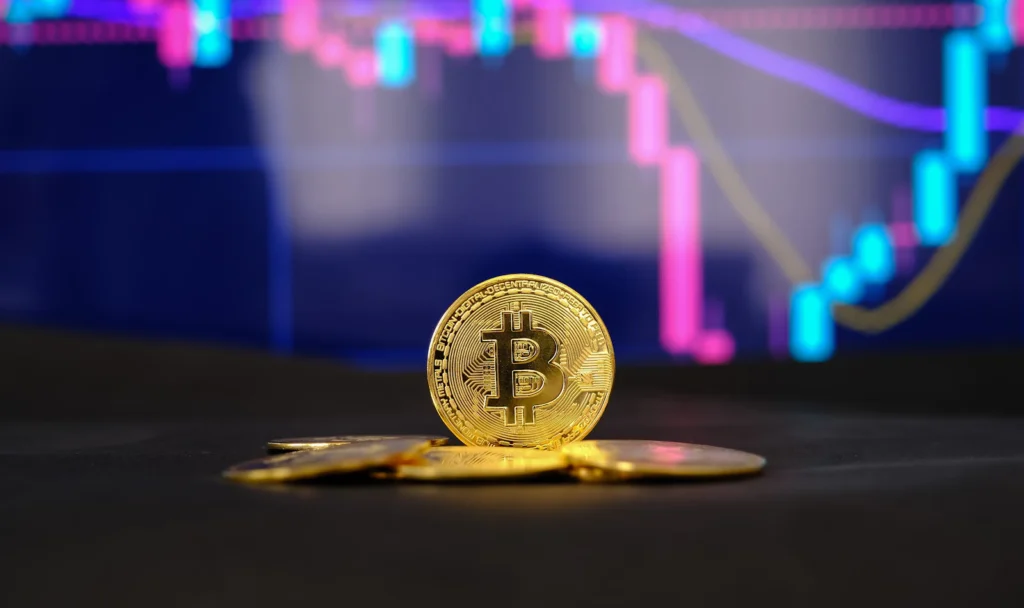
The recent rally can be attributed to a combination of factors. First, geopolitical uncertainty often drives investors toward assets perceived as independent of government control. Bitcoin, with its decentralized nature, fits this profile perfectly.Second, institutional adoption continues to play a major role. Large financial institutions and asset managers have increasingly integrated.
Bitcoin into their portfolios, providing a steady flow of capital into the market. This institutional interest has added credibility and stability to Bitcoin’s price movements.Third, macroeconomic conditions such as inflation concerns and currency devaluation have strengthened the appeal of digital assets. As Bitcoin surges above $68,000, it reinforces its reputation as a hedge against economic instability.
Market Psychology and Investor Behavior
Investor sentiment is another critical factor. The narrative surrounding Bitcoin has evolved significantly over the years. What was once considered a speculative asset is now increasingly viewed as digital gold.
This shift in perception influences how investors respond to global events. When uncertainty rises, many turn to Bitcoin not just for potential gains but also for perceived security. The current rally highlights how psychological factors, combined with real-world events, can drive significant price movements.
Bitcoin vs Traditional Safe-Haven Assets
Comparing Bitcoin to Gold
Gold has long been considered the ultimate safe-haven asset. However, Bitcoin is rapidly emerging as a modern alternative. Both assets share certain characteristics, such as limited supply and independence from centralized control.Yet, Bitcoin offers additional advantages, including ease of transfer and accessibility.
As Bitcoin surges above $68,000 amid muted stock market reaction, it challenges the traditional dominance of gold in times of crisis.While gold remains stable, Bitcoin’s higher volatility can lead to larger gains, attracting risk-tolerant investors. This dynamic creates a unique balance between stability and opportunity.
Role of Digital Assets in Modern Portfolios
The integration of Bitcoin into diversified portfolios is becoming more common. Financial advisors now recommend allocating a small percentage of assets to cryptocurrencies as a hedge against uncertainty.
This trend is particularly evident during geopolitical tensions. As investors reassess their strategies, the appeal of decentralized assets continues to grow. The current surge underscores the importance of adapting to changing market dynamics.
Disconnect Between Crypto and Stock Markets
Decoupling Trends in 2026
One of the most intriguing aspects of the current situation is the apparent decoupling between Bitcoin and traditional markets. While stocks remain relatively stable, Bitcoin’s sharp rise suggests that it is operating under a different set of influences.This decoupling is not entirely new.
But it has become more pronounced in recent years. Factors such as blockchain adoption, regulatory developments, and technological innovation contribute to this divergence.The phrase “Bitcoin surges above $68,000 amid muted stock market reaction” perfectly captures this phenomenon. It highlights how crypto markets can respond independently to global events.
Implications for Investors
For investors, this decoupling presents both opportunities and challenges. On one hand, it offers a way to diversify portfolios and reduce reliance on traditional assets. On the other hand, it introduces new risks associated with volatility and regulatory uncertainty.
Understanding these dynamics is essential for making informed investment decisions. As the crypto market continues to evolve, staying informed becomes increasingly important.
Institutional Influence and Market Liquidity
Growing Institutional Participation
Institutional investors have played a significant role in Bitcoin’s recent surge. Hedge funds, pension funds, and even corporations are now allocating resources to cryptocurrencies. This influx of capital has increased market liquidity and reduced volatility over time.
As Bitcoin surges above $68,000, it reflects the growing confidence of institutional players. Their involvement not only drives price increases but also legitimizes the asset class.
Impact on Price Stability
While Bitcoin remains volatile compared to traditional assets, institutional participation has introduced a degree of stability. Large-scale investments create a more robust market structure, reducing the impact of sudden price swings.This development is crucial for long-term growth. As more institutions enter the market, Bitcoin’s role as a mainstream financial asset becomes increasingly secure.
Risks and Challenges Ahead
Volatility and Market Corrections
Despite its recent success, Bitcoin is not without risks. Price volatility remains a significant concern, especially for inexperienced investors. Rapid gains can be followed by equally sharp declines, making timing a critical factor.The current surge above $68,000 may attract new investors, but it also raises the possibility of market corrections. Understanding these risks is essential for navigating the crypto landscape.
Regulatory Uncertainty
Regulation is another key challenge. Governments around the world are still developing frameworks for cryptocurrencies. Changes in regulation can have a significant impact on market dynamics.As Bitcoin continues to gain popularity, regulatory scrutiny is likely to increase. Investors must stay informed about potential changes and their implications.
What Comes Next for Bitcoin?
Potential Price Trajectories
Looking ahead, the future of Bitcoin remains both promising and uncertain. If current trends continue, further price increases are possible. However, external factors such as geopolitical developments and economic policies will play a crucial role.The narrative of Bitcoin surges above $68,000 amid global tensions may evolve into a broader trend, solidifying its position as a key financial asset.
Long-Term Adoption Trends
Long-term adoption is perhaps the most important factor. As more individuals and institutions embrace Bitcoin, its value proposition strengthens. Technological advancements and increased accessibility will further drive adoption.This ongoing evolution suggests that Bitcoin is not just a temporary trend but a fundamental shift in how we perceive and use money.
Conclusion
The recent surge of Bitcoin above $68,000 amid muted stock market reaction to the Iran war marks a significant moment in financial history. It highlights the growing importance of cryptocurrencies as an alternative asset class and underscores their ability to respond independently to global events.
While traditional markets remain steady, Bitcoin’s rapid rise reflects changing investor behavior and the increasing relevance of decentralized finance. As geopolitical tensions continue to shape the global landscape, the role of Bitcoin is likely to expand further.
For investors, this presents both opportunities and challenges. Understanding the factors driving this surge and staying informed about market developments will be key to navigating the evolving financial ecosystem.
See more:Bitcoin Surges Above $95K as Crypto Market Hits $3 Trillion
