

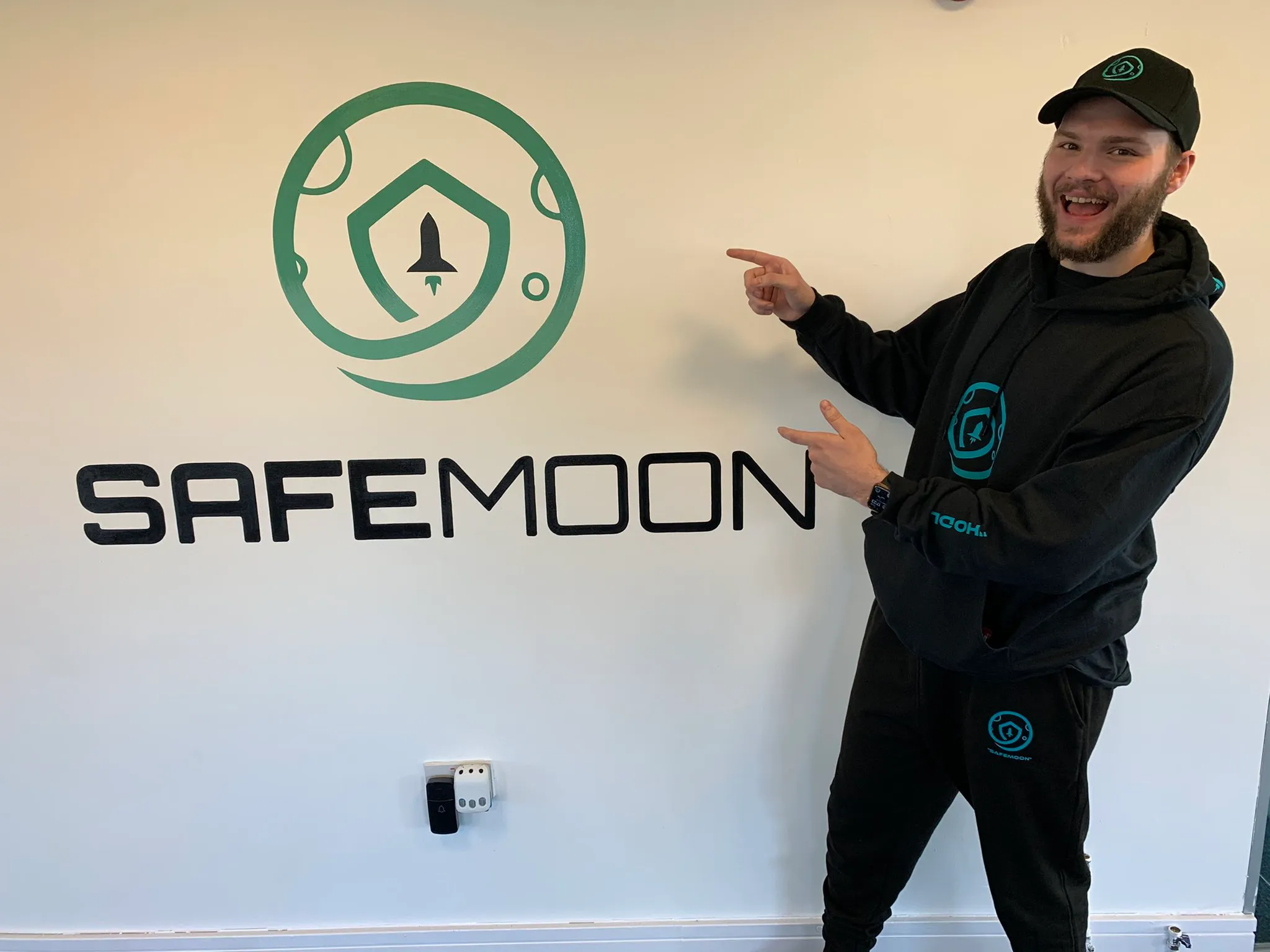
Cryptocurrency industry has always walked a fine line between innovation and speculation. In that space, stories of overnight success are common—but so are cautionary tales. One of the most high-profile examples in recent memory is the sentencing of SafeMoon CEO John Karony, who received more than eight years in federal prison for his role in what prosecutors described as a massive crypto fraud scheme.
SafeMoon was once celebrated as a community-driven DeFi token with revolutionary tokenomics designed to reward loyal holders. It attracted millions of retail investors who believed they were early participants in the next major blockchain breakthrough. However, federal authorities argued that behind the marketing and promises of safety, investors were misled about key aspects of the project—particularly the handling and accessibility of the project’s liquidity pool.
The sentencing of SafeMoon CEO John Karony to 100 months in prison marks a pivotal moment in crypto enforcement. It sends a clear message: digital assets may be new, but fraud laws are not. When leaders allegedly deceive investors and misuse funds, the consequences can be severe. This article provides a comprehensive, easy-to-read analysis of the SafeMoon case, the legal findings, the impact on investors, and the broader lessons for the cryptocurrency market.
Who Is SafeMoon CEO John Karony?
John Karony became the public face of SafeMoon during its rapid rise in popularity. As CEO, he represented the project in interviews, online community events, and social media updates. SafeMoon’s branding leaned heavily on transparency, community loyalty, and financial opportunity. Many investors trusted the leadership because it appeared accessible and engaged.
Under Karony’s leadership, SafeMoon marketed itself as a long-term ecosystem rather than just a speculative coin. The project promoted features like automatic rewards for holders and mechanisms designed to discourage short-term trading. This structure, often described as innovative tokenomics, created a strong sense of belonging among investors.
However, prosecutors later alleged that public messaging did not align with internal actions. The conviction and sentencing of SafeMoon CEO John Karony suggest that authorities believed the gap between what was promised and what actually occurred crossed into criminal territory.
The Sentence: What “Over 8 Years” Really Means
When headlines state that SafeMoon CEO John Karony was sentenced to “over eight years,” the exact figure is 100 months in federal prison. That equals eight years and four months. In addition to prison time, the court imposed significant financial penalties, including multimillion-dollar forfeiture.
A sentence of this length is substantial in white-collar criminal cases. It reflects the court’s determination that the fraud was serious, financially impactful, and harmful to a large number of investors. For the crypto industry, this prison term is symbolic. It reinforces the idea that federal courts are willing to treat crypto fraud with the same gravity as traditional securities fraud or wire fraud cases.
Understanding the Charges Against SafeMoon CEO John Karony
The legal case against SafeMoon CEO John Karony included conspiracy charges related to securities fraud, wire fraud, and money laundering. While legal language can seem complex, the core allegations were straightforward. Prosecutors argued that investors were misled about how SafeMoon operated—specifically regarding the safety and accessibility of the project’s liquidity pool. They alleged that insiders had access to funds that were publicly described as protected or restricted. According to the government’s theory, millions of dollars were diverted for personal use while investors believed their capital was safeguarded.
This distinction is crucial. Crypto investments are inherently risky. But risk is not the same as fraud. Fraud involves deliberate deception—making statements that are materially false or misleading in order to obtain money. The conviction and sentencing of SafeMoon CEO John Karony indicate that a jury and court agreed that such deception occurred.
The Liquidity Pool Controversy Explained
To understand why the SafeMoon case gained so much attention, it’s important to grasp the concept of a liquidity pool. In decentralized finance, a liquidity pool provides the funds necessary for trading a token on decentralized exchanges. It supports price stability and ensures buyers and sellers can transact efficiently. Many projects advertise “locked liquidity” to reassure investors that insiders cannot suddenly withdraw funds and collapse the market.
SafeMoon promoted confidence in its liquidity structure. However, prosecutors alleged that executives retained access to liquidity assets and used them in ways that contradicted public statements. If investors were led to believe liquidity was untouchable while insiders could access it, that difference becomes legally significant. The SafeMoon CEO John Karony sentencing centered heavily on this alleged mismatch between representation and reality.
How SafeMoon Gained Massive Popularity
SafeMoon’s rise occurred during a period of intense retail enthusiasm in cryptocurrency markets. Social media platforms amplified the project’s message, and online communities rallied behind it. The promise of rewards for holding created powerful psychological incentives.
Unlike traditional stocks, crypto tokens often rely on narrative momentum. SafeMoon leveraged that momentum effectively. The idea that holders would benefit over time encouraged long-term participation and loyalty. However, strong community sentiment can sometimes discourage skepticism. In highly enthusiastic environments, critical questions about governance, transparency, and control may be dismissed as negativity. The sentencing of SafeMoon CEO John Karony serves as a reminder that even projects with passionate communities must maintain verifiable transparency.
Investor Impact and Financial Harm
Retail investors formed the backbone of SafeMoon’s user base. Many were everyday individuals attracted by the promise of financial opportunity and the excitement of being early adopters. When allegations surfaced and legal action followed, market confidence eroded. Prices declined sharply, and many holders experienced substantial losses.
The financial penalties ordered in the sentencing—including forfeiture of millions of dollars—acknowledge that harm occurred. However, in most crypto fraud cases, recovered funds rarely equal the total losses suffered by investors. The story of SafeMoon CEO John Karony underscores the emotional toll such collapses can take. For some investors, losses were not just monetary—they represented broken trust.
What This Case Means for Crypto Regulation
The sentencing sends a strong signal about the direction of crypto enforcement. Regulators and prosecutors are increasingly focused on whether public claims about digital assets are accurate and verifiable. The SafeMoon case demonstrates that digital tokens are not beyond the reach of existing fraud statutes.
Courts are prepared to analyze blockchain projects through the same legal framework applied to traditional financial schemes. For founders and developers, this means that statements about locked liquidity, investor protection, and decentralized governance must be precise and truthful. Marketing exaggeration that crosses into misrepresentation can carry severe consequences.
Lessons for Crypto Investors
The conviction of SafeMoon CEO John Karony highlights several important lessons for crypto investors. First, verify claims independently. If a project advertises locked liquidity, confirm how it is locked and who controls the keys. Transparency should be technical, not just verbal. Second, be cautious of excessive hype. Strong communities can create emotional attachment that overrides objective analysis.
Third, understand governance structures. Ask whether insiders maintain special privileges or control over funds. Finally, remember that high returns often correlate with high risk. Innovation and volatility are natural parts of crypto markets, but informed skepticism is essential.
Fraud vs. Market Failure
It’s important to distinguish between market collapse and fraud. Many cryptocurrency projects fail because of poor management, competition, or unfavorable market conditions. That is business risk. Fraud, however, involves intentional deception. In the case of SafeMoon CEO John Karony, prosecutors successfully argued that the issue was not mere business failure but deliberate misrepresentation. This distinction shapes how investors interpret similar cases in the future. Losses from volatility are unfortunate but common. Losses from deception are criminal matters.
The Broader Impact on DeFi Projects
The SafeMoon sentencing may influence how decentralized finance projects structure themselves. Developers may prioritize clearer documentation, third-party audits, and publicly verifiable governance mechanisms. Institutional investors, in particular, are increasingly demanding compliance and transparency before engaging with token projects. The SafeMoon case reinforces why such scrutiny is necessary. The industry continues to evolve, and stronger oversight could ultimately strengthen trust in blockchain ecosystems.
Conclusion
The sentencing of SafeMoon CEO John Karony to more than eight years in prison marks a defining moment in cryptocurrency enforcement. It demonstrates that digital innovation does not exempt projects from accountability. When investors are misled about critical aspects of a token’s structure—especially regarding liquidity and fund control—the legal consequences can be significant.
SafeMoon’s story is both a cautionary tale and a learning opportunity. It reminds investors to prioritize verification over hype and to approach emerging financial technologies with informed skepticism. At the same time, it signals to crypto founders that transparency and honesty are not optional—they are essential. As the cryptocurrency market matures, cases like this will likely shape how projects are built, marketed, and regulated. The lesson is clear: in crypto, as in traditional finance, trust must be earned through truth.
FAQs
Q: How long was SafeMoon CEO John Karony sentenced to prison?
He was sentenced to 100 months in federal prison, which equals eight years and four months.
Q: What were the main charges against SafeMoon CEO John Karony?
The charges included conspiracy related to securities fraud, wire fraud, and money laundering.
Q: Why was the liquidity pool important in the SafeMoon case?
Prosecutors alleged investors were misled about executive access to the liquidity pool and how funds were used.
Q: Did investors recover their losses?
While the court ordered financial forfeiture, recovered funds typically do not cover total investor losses in large crypto fraud cases.
Q: What can investors learn from the SafeMoon case?
Investors should verify claims about liquidity, governance, and fund control, and remain cautious of hype-driven projects.
